WHO IS SI? THE LAST FRAGMENT OF SUI
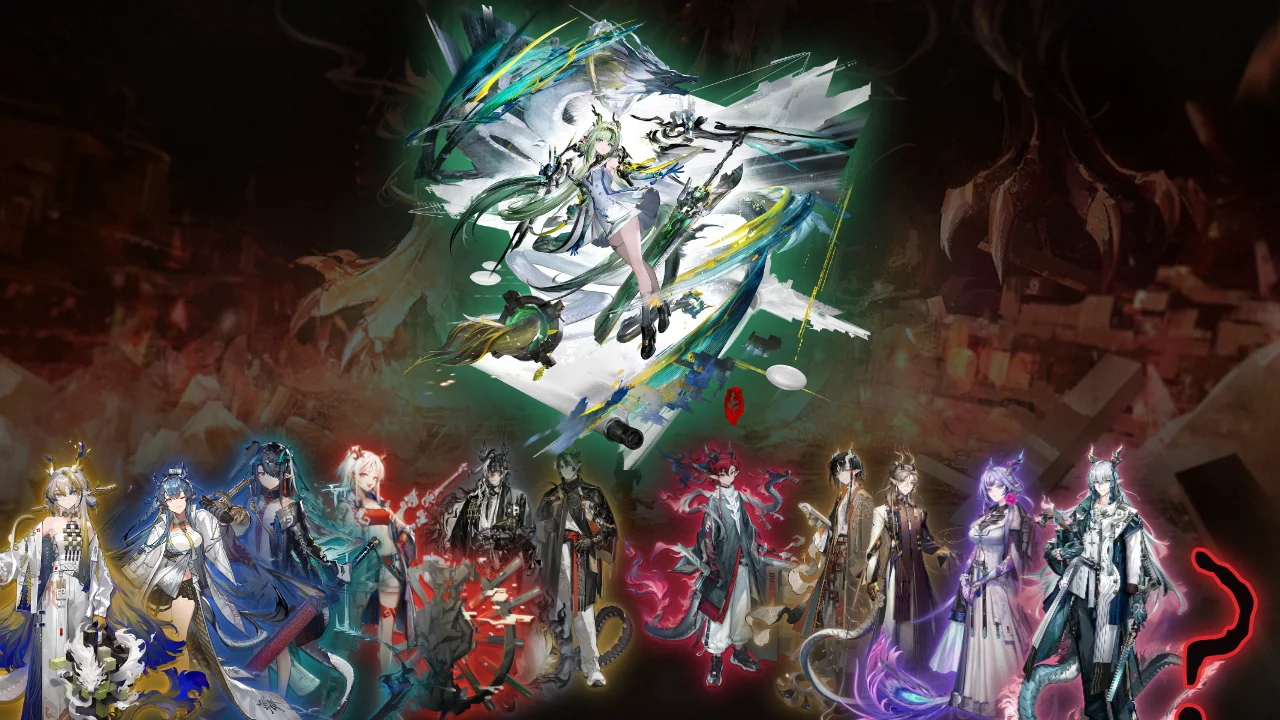
Table of Contents
Si is the last fragment of Sui, an ancient god who died in the first Arknights. His twelve children killed him, caught the one spark he left behind and sent it to Talos-II. Her own profile file tells the story, and the narrator is her.
Twelve brothers and sisters, every one of them a piece of the same god. For centuries, in the first Arknights, that was the whole family. Then Endfield revealed one more: the youngest, Si. That god is dead now. She is the last piece of him, and her own brothers and sisters packed her bags.
How we checked this. Every quote is from the official English text of Arknights Endfield (Si’s profile files, voice lines and chats) or the original Arknights (the First of A Thousand Autumns story and the siblings’ operator files). Where we read between the lines, we say so. The images are frames from our Si video, built from official Hypergryph and Gryphline art.
Endfield Hub is a fan-made resource and is not affiliated with Hypergryph or Yostar.
TL;DR
- Sui was a Feranmut, a god-sized creature from the first game’s world, who switched sides in Yan’s war on the gods and was sealed in a tomb for it.
- Pieces of his mind became twelve siblings, and every one of them lived knowing that if Sui woke up, he would take them back.
- Wang killed him. He beat Sui at weiqi inside his dreams, then took his body, and the price was endless pain.
- One spark was left over. The siblings could have erased it with a thought. Instead they sent it through the Cosmic Gate to Talos-II.
- The spark is Si, and her file’s narrator slips at the end: “into my … no, into its hands.”
- On Talos-II she has the powers of thirteen gods and uses them to practise makeup on her ink spirits.
- She says she doesn’t miss her siblings. She also keeps their weiqi boards spotless, in case they come home.
Who Is Si?
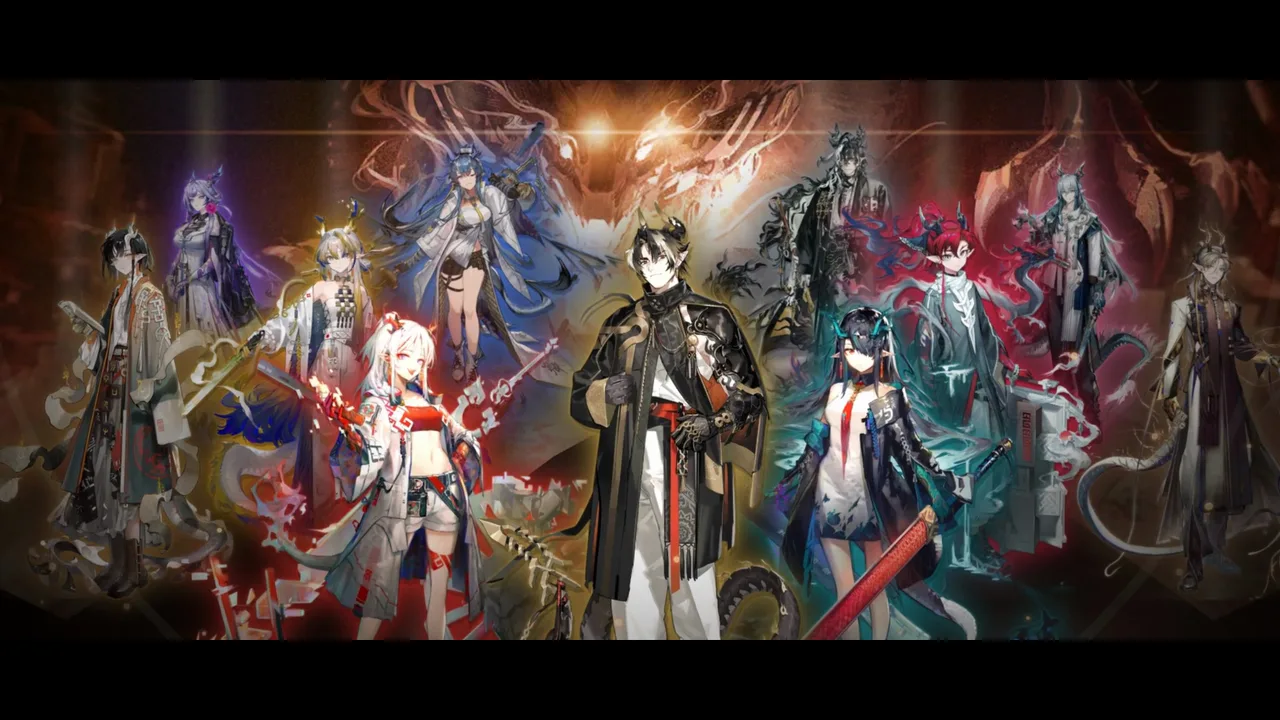
In the first Arknights, the Sui siblings are twelve: Chongyue the grandmaster, Wang the strategist, Nian the blacksmith, Dusk the painter, Ling the poet, Shu the farmer, Yu the chef, Jie the historian, Ji the merchant, Jun the judge, Yi the gardener, and Fang, the doctor nobody ever sees.
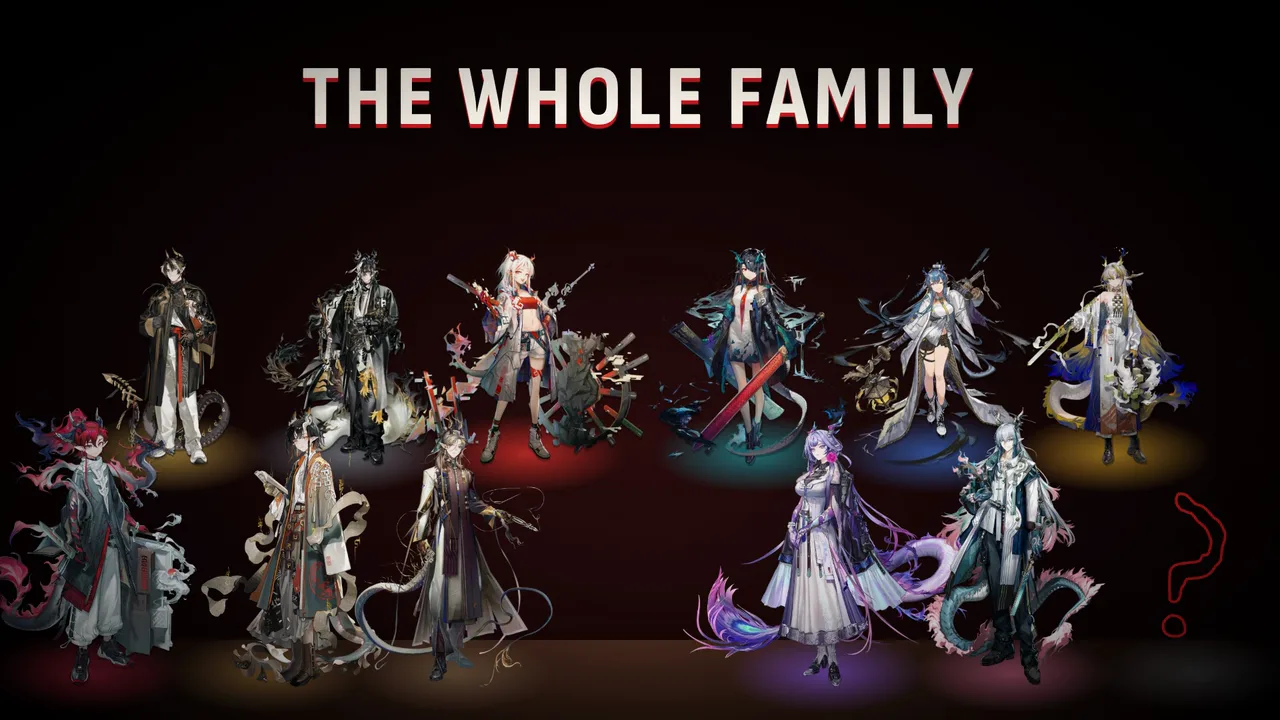
Endfield added a thirteenth, and made her the youngest. Si’s third profile file tells how a god called Sui died, and how his children found the only thing left of him: a tiny, glowing voice asking who it was.
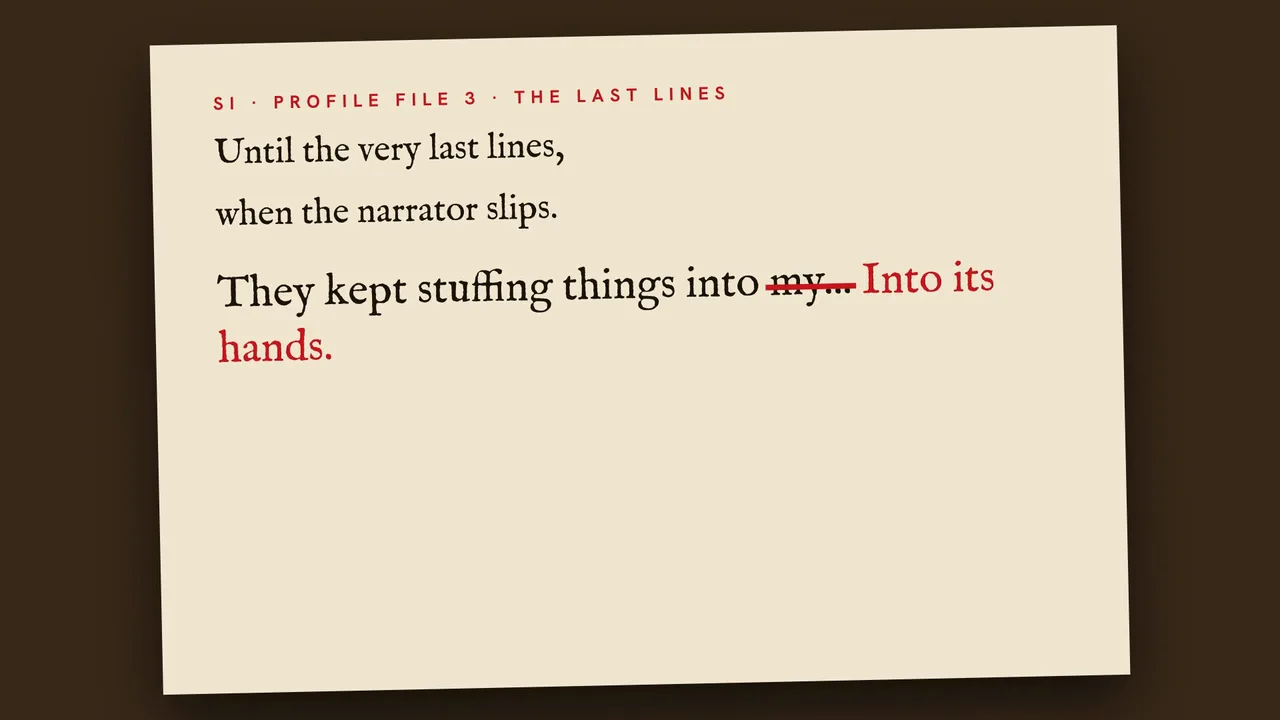
The file reads like a fairy tale, told by a narrator who never gives a name. Until the very last lines, when the narrator slips:
“Honestly, they packed far too much. They kept stuffing things into my … no, into its hands.”
Si wrote her own origin story. To understand it, you need the first Arknights, so we read both games’ files, including the whole final chapter of the story that killed Sui. (For a shorter primer on the words, see what a Feranmut is.)
Who Was Sui in Arknights?
Si only ever brings Sui up to complain about him:
“Sui is the worst Feranmut. Ever. Even in sleep, He won’t stay still, always scheming to make things hard for Yan with his twelve proxies.”
To see why, you need to know what he was. A Feranmut is a god-sized creature from the first game’s world, Terra. Endfield’s codex puts them at “several hundred to several hundred thousand meters in size”, and in Endfield’s snowy north, the Sami people “live atop the Feranmut’s remains”. They are older than every nation, and they don’t use magic the way people do. They simply bend the world.
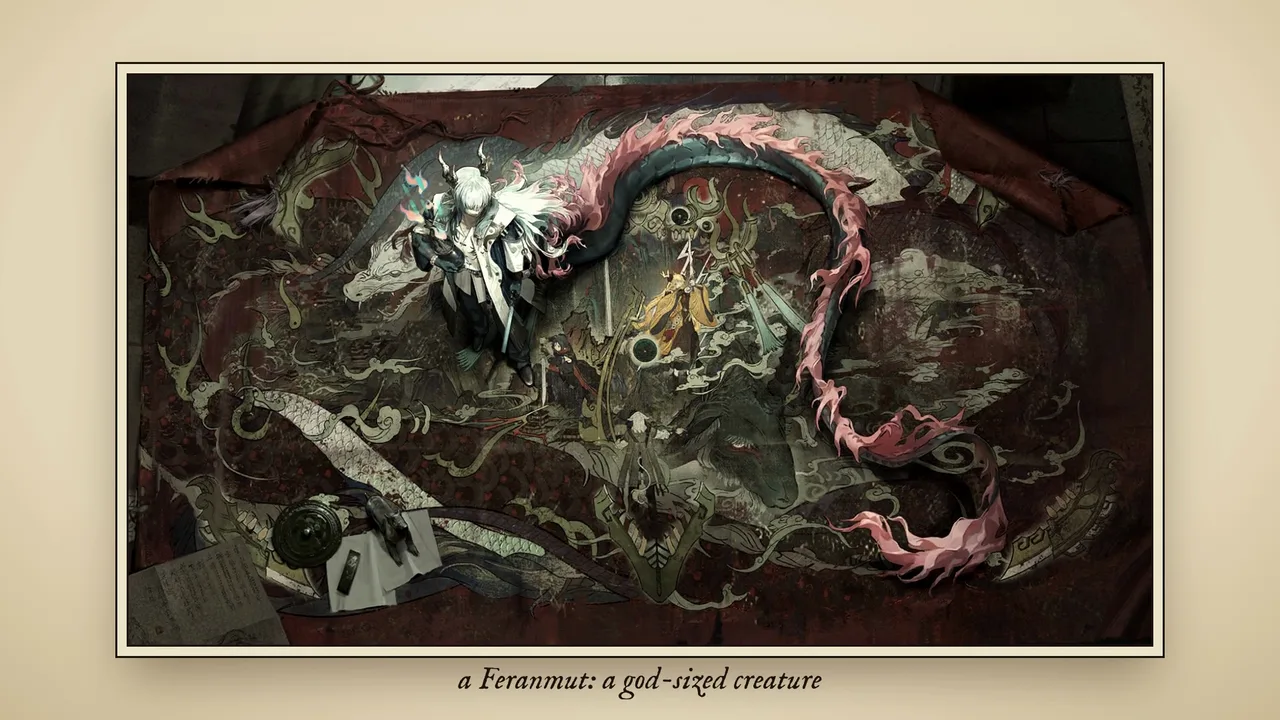
Sui lived in Yan, the first game’s version of imperial China. Thousands of years ago, Yan’s emperor decided his people would no longer live under gods and sent an entire nation of warriors and scholars after the Feranmuts. Yan calls it the Great Hunt.
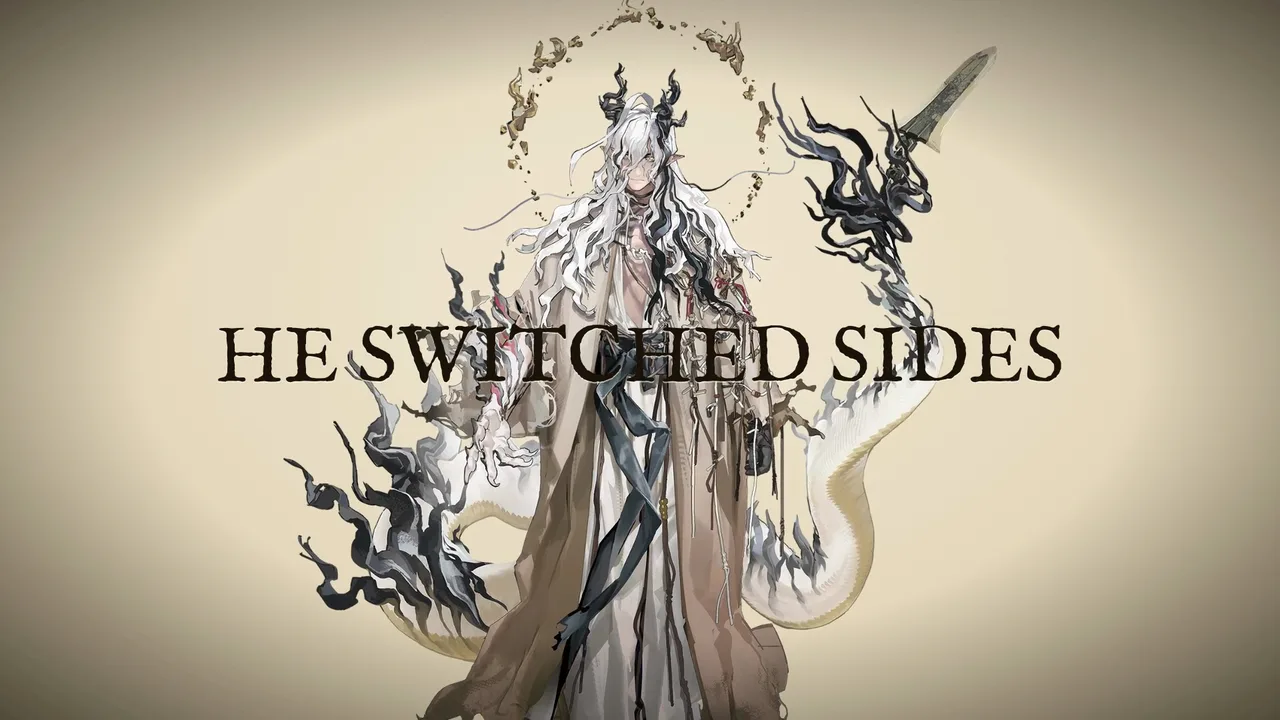
In the middle of that war, Sui switched sides. Endfield’s codex says he “betrayed its own kin and assisted the Yanese nation”. Then the humans turned on him too. He was the last Feranmut they defeated. They couldn’t kill him, so they sealed him in a tomb and built a whole government office, the Sui Regulator, just to watch him sleep.
A sleeping god still dreams. And Sui’s dreams kept walking out of the tomb.
Who Are Sui’s Twelve Children?
Over the centuries, pieces of Sui’s mind drifted out of the tomb and took human form. Twelve of them. Yan calls them Sui’s proxies. They call each other brother and sister, and each one fell in love with a human craft and spent hundreds of years mastering it.
The eldest, Chongyue, is a martial arts grandmaster who has fought Yan’s wars for centuries. Ling would rather drink wine on a mountain than do anything else. Nian forges, sets off firecrackers and shoots movies. Dusk paints worlds, not pictures of them: people have walked into her paintings and lived there for days. Shu farms, Yu cooks, and Jie carries a writing knife that can scrape words out of history.
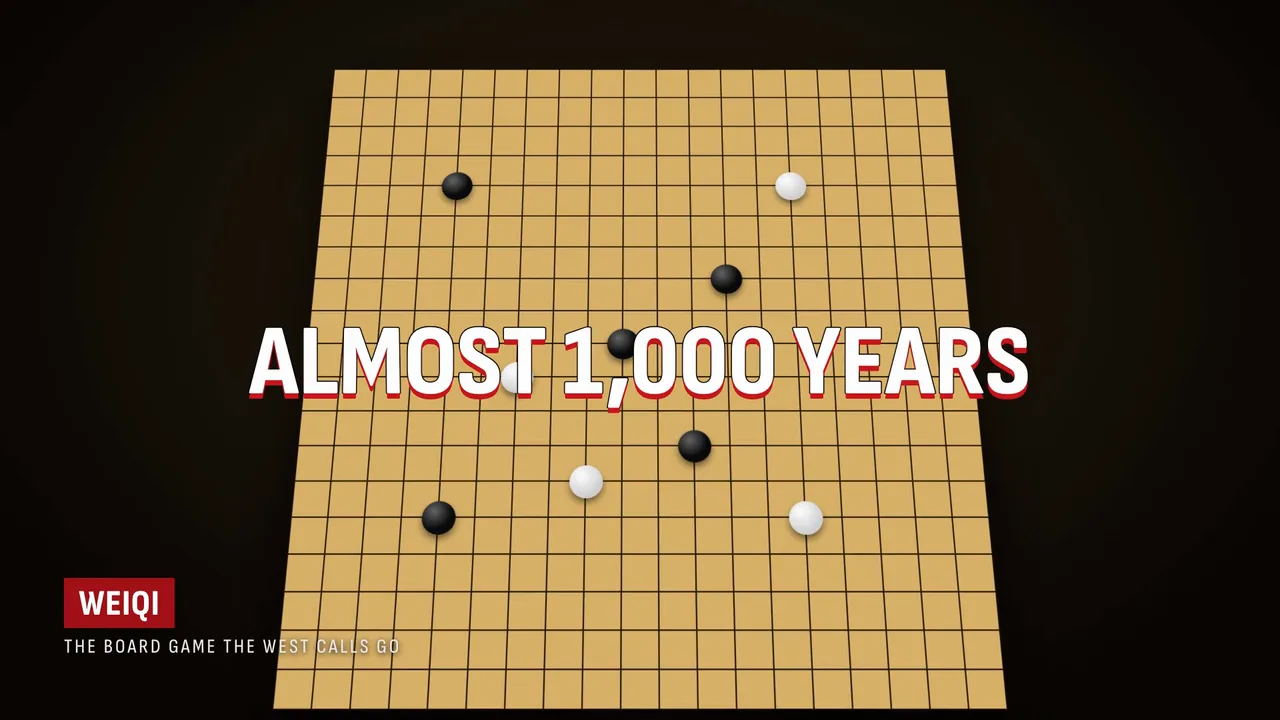
And then there’s number two. Wang, a former military advisor and, in the first game’s words, the greatest weiqi master in Yan. Weiqi is the board game the West calls Go. He had been studying strategy for almost a thousand years.
They sound like a big, chaotic family. But every one of them lived with two rules.
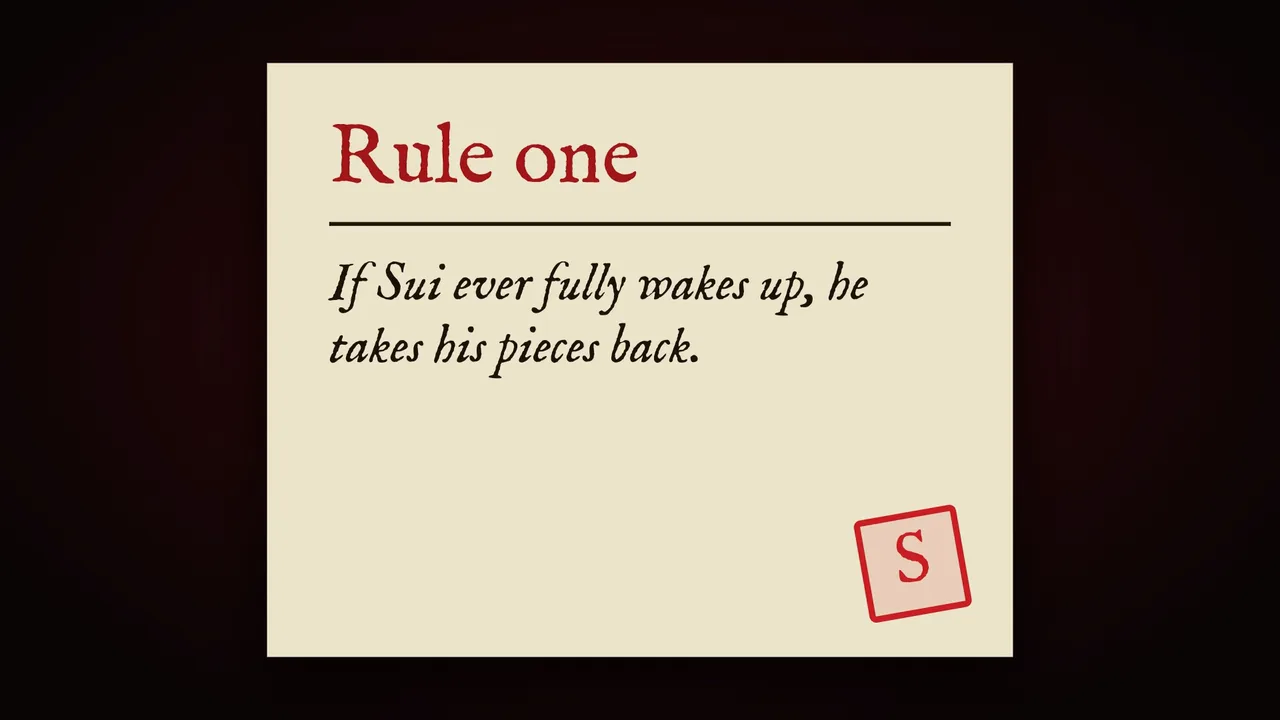
Rule one. They are pieces of Sui. If he ever fully wakes, he takes his pieces back, and every sibling is swallowed.
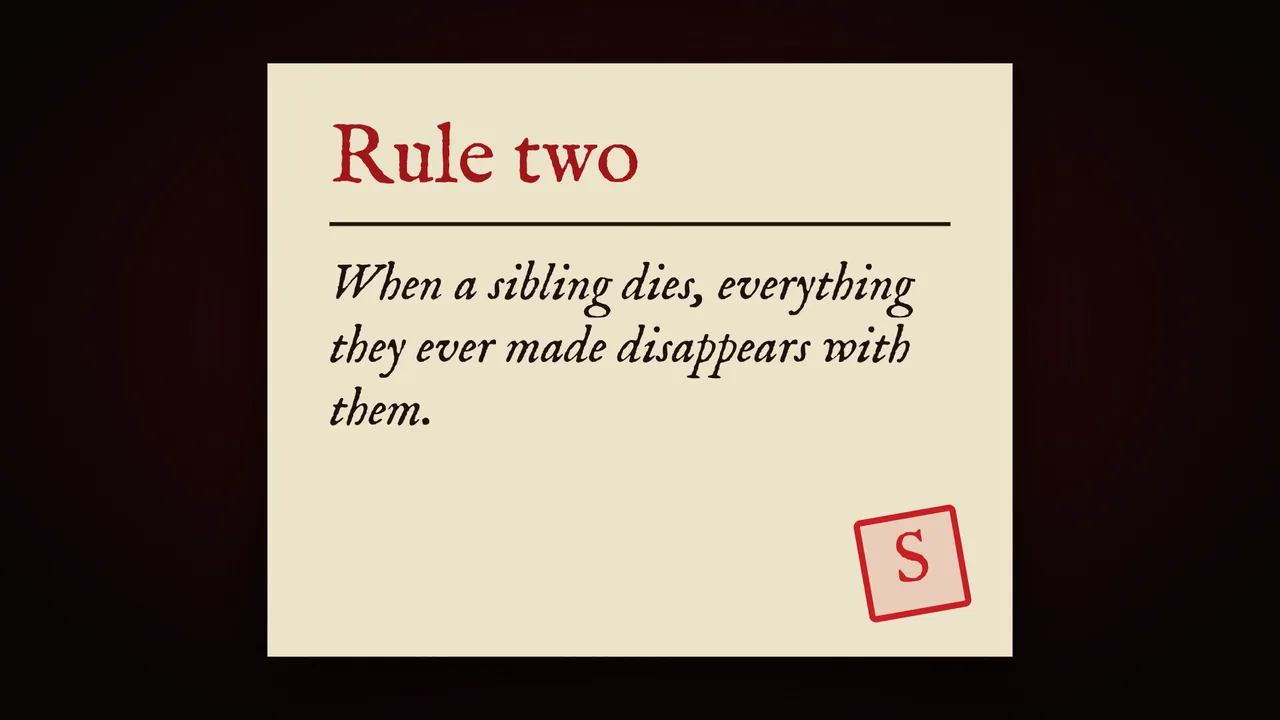
Rule two. When a sibling dies, everything they made dies with them. Dusk puts it plainly, in a line quoted in Shu’s file: “if I were to die, not even a single painting of mine would remain.”
Twelve people who love this world, who built things in it for a thousand years, all on borrowed time. Yan kept a guard on each of them, the Candleholders, and for nearly a thousand years neither side trusted the other. Eventually the siblings decided borrowed time wasn’t good enough. Their father had to go.
How Did Sui Die?
In the first game’s final Sui story, First of A Thousand Autumns, the plan belongs to Wang. A hundred and forty years earlier, Yan’s emperor had ordered him to get rid of Sui within twenty years, because keeping a sleeping god locked up cost too much.
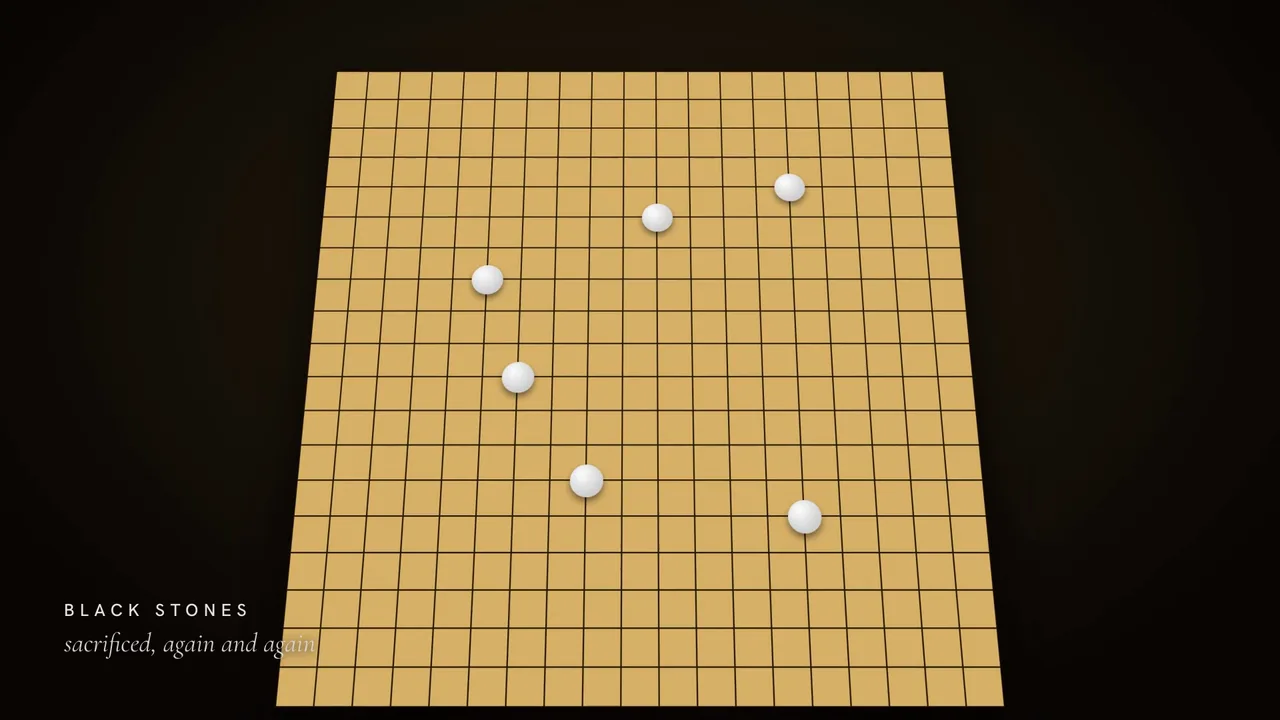
Wang played it like a game of weiqi, against the god himself. Sui was waking up and trapped Wang in his memories and dreams, so Wang fought him there, game after game, sacrificing black stones to kill Sui inside the dream again and again.
It cost more than stones. Jie gave her life so Wang could keep going, and handed her writing knife to her sister Jun before she left. Shu had already sacrificed herself in an earlier story to save a city. At the end the whole family moved: Ling and Jun wove one more dream from verse, wine and music to slow Sui down, the rest fought his monsters in the capital, and inside the tomb, Wang sat down across from his father.
Wang didn’t just want Sui dead. He wanted his body. Sui warned him that whoever sat on that throne would have a void where Sui’s mind used to be, and he would “haunt this place eternally”, then asked: “But what of your siblings?”
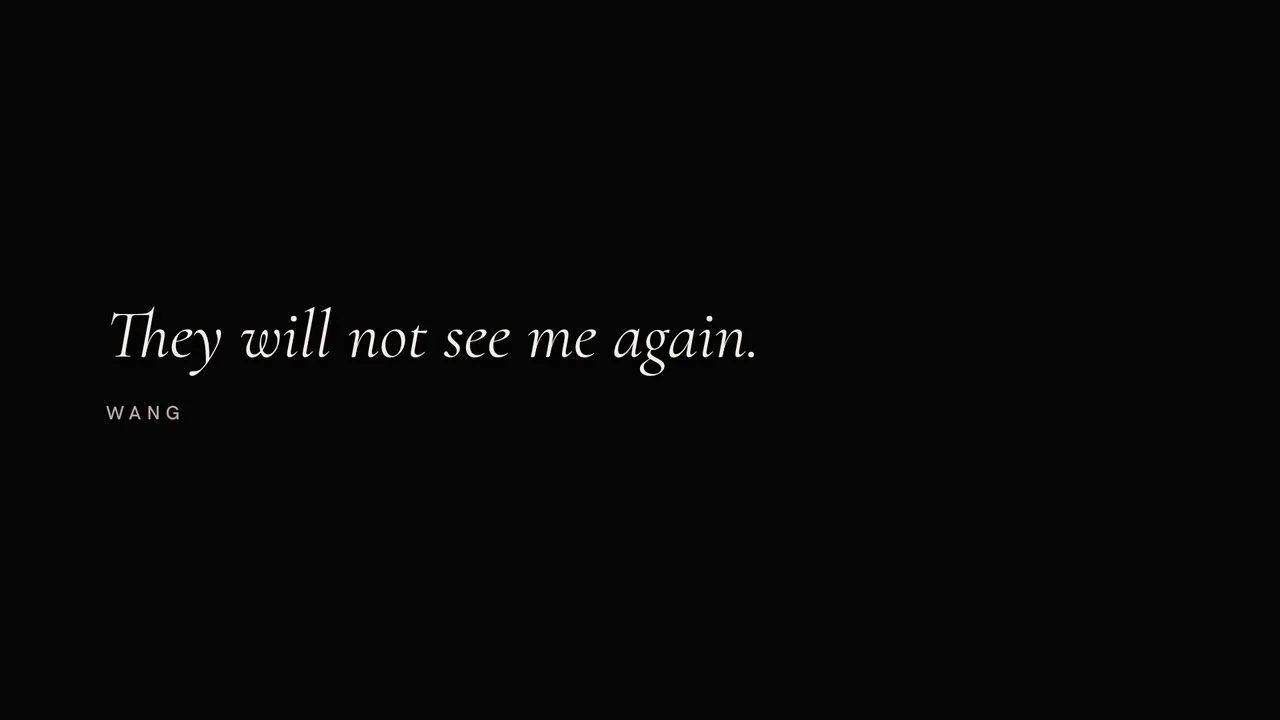
“They will not see me again, nor will they come to fill this void you have left behind.”
Then: “The one replacing you shall be far more terrifying that you have ever been.” Sui began to fade. Neither game ever says exactly why he betrayed the Feranmuts. The closest thing to a reason is what Wang tells him next, when the dying god asks, “Who am I? Why will I die?”:
“You were the most arrogant of dreamers. In your dreams, you pushed evolution to the endless sea of stars. But this egotistical evolution was cut short by humanity, that humanity you saw as nothing. And then your anger, your hatred, and your defiance dragged you to your grave. But at the very end of it all, you died by my hand.”
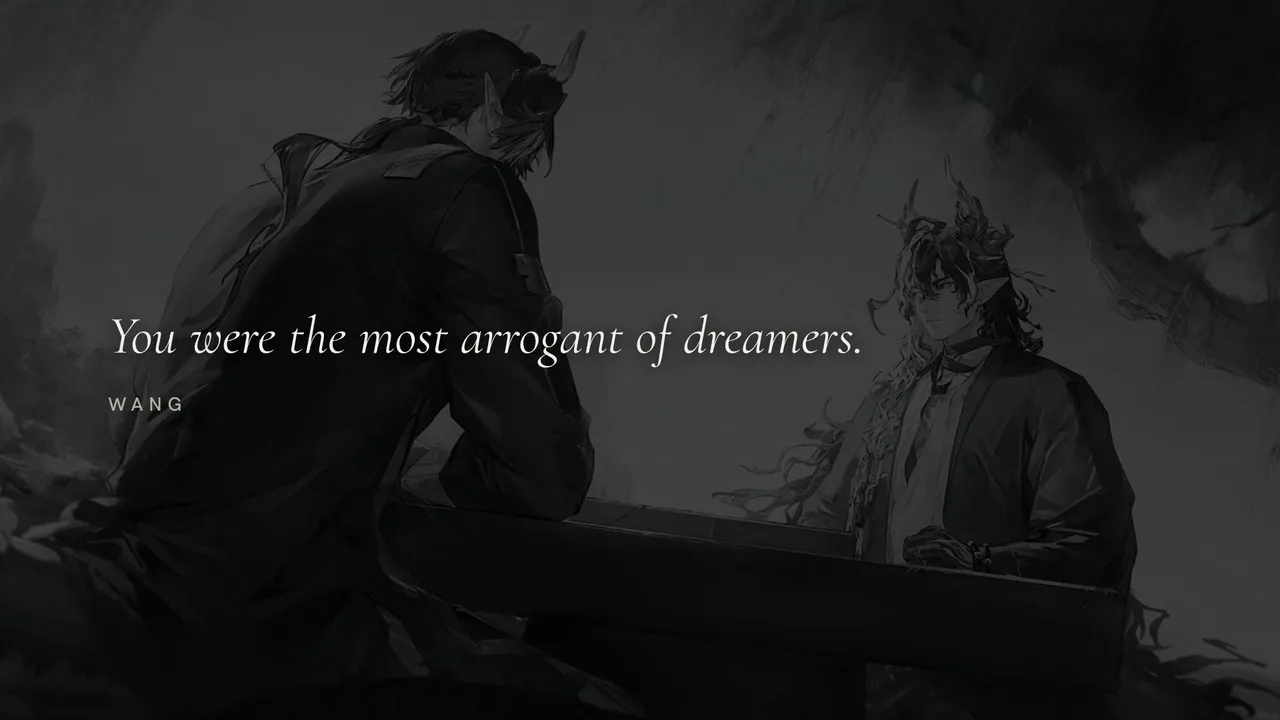
Wang threw his last weiqi stones into the air. They became a blade, and he drove it into the beast’s eye.
”…May you dream well.”
The tomb collapsed. “The forms of proxy and Feranmut slowly merge together. No longer shall they be parted. Here, a new ‘Sui’ is born.” The body is still Sui’s. The one inside it is now Wang.
Ya and the crystal
One more visitor reached the capital: Ya, not a sibling but another Feranmut, one of the last of Sui’s kind, back after a thousand years to take revenge for his betrayal and to ask him why. She came too late. Wang, inside the body, had planned for her too. He had made sure she found the empire’s oldest piece of Originium, buried under the capital, and gave her a choice: leave, or take her revenge on this body forever. With the last of her life, Ya drove the crystal deep into Sui’s body. Wang’s archive file in the first game spells out the price: whatever consciousness now controls the body “will suffer from extreme, unbearable, endless pain.”
That seems to be what Wang meant by “far more terrifying”. The game never ties the two lines together in one sentence; that is our reading.
The dinner
Outside, the siblings gathered at the tomb. Nian put it simply: “We’re alive, which means he’s not dead.” Chongyue went in to bring Wang out, and came out alone. Later, at a reunion dinner, Yu looked around the table:
“Our family never is a full set.”
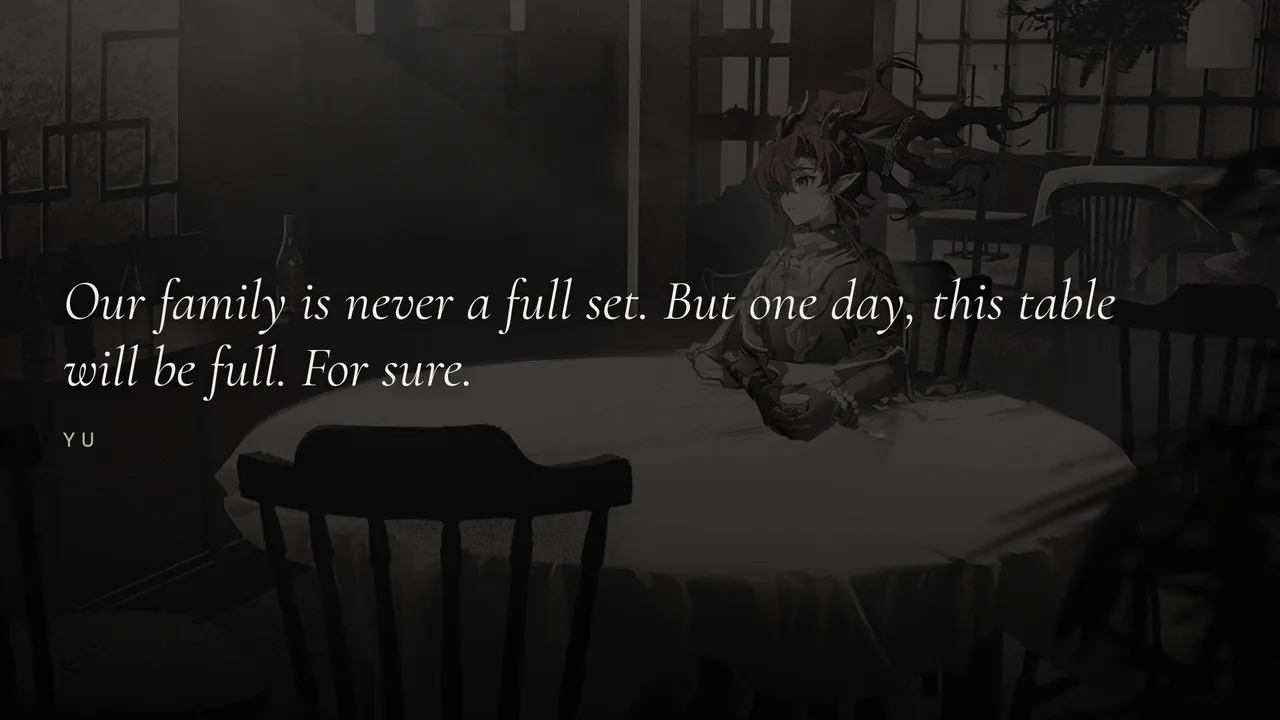
And when Ling asks Chongyue what he’ll do once he finds his brother: “I will let him know that the next time he needs help, he will not be alone.”
The footnote for veterans: Wang on Rhodes Island
Rhodes Island’s records say the body under Yan’s capital is still Wang, still in pain, but that the Wang walking its halls is “no more than a weiqi stone”, and somehow “Wang in his entirety”. He asks the staff not to tell his siblings he’s aboard. Then one day he “vanished into thin air as he was walking along a corridor”: he had walked into a painting Dusk planted for him.
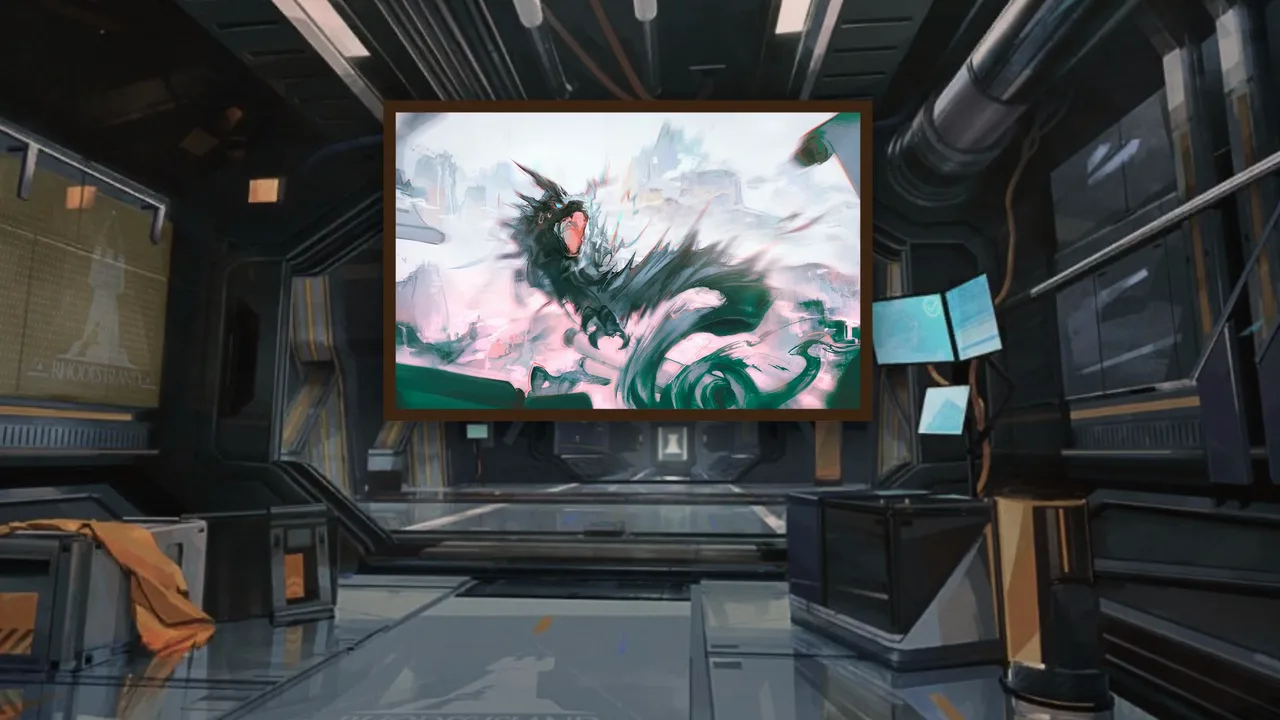
He came out an hour later “with his head hanging dejectedly, followed by Nian with a gleeful smile on her face, Dusk with her eyes red, Shu with a worried look, and Yu whose sleeves were wet with tears.” Nobody saw what was said inside. But Ling said it later, in a hallway: “couldn’t you have had the decency to at least write to Chongyue? Have you any idea how hard he was looking for you?” After that, Wang comes to festivals, family reunions, and dinner when Yu is cooking.
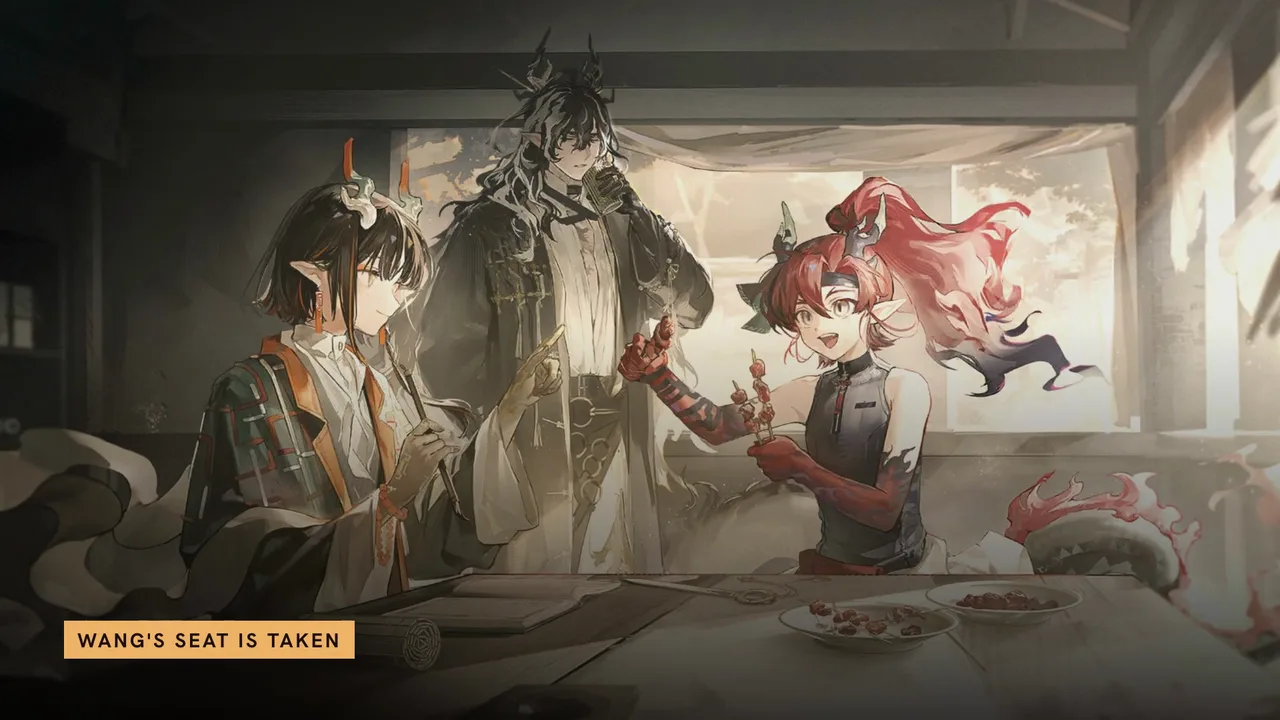
With Jie gone, the table will never be quite full. But Wang’s seat is taken. And one tiny piece of Sui was still left.
What Fell: Si’s Profile File 3
This is where Endfield picks up. Note that the two games disagree here: in the first game Wang took the body, while Si’s file says Sui’s “body was gone”. Each tells its own version.
“When the dust finally settled, Feranmut Sui never awoke again. His body was gone. His will sank into silence amid the chaos.”
But “Sui had endured for far too long and grown far too mighty to vanish so easily.” Something still formed, “like morning dew gathering upon fresh leaves before falling away.” Something fell.
“A proxy who had yet to depart” heard it, and gathered it into his hands. The file never names him. In the first game, Chongyue and Wang were the two still inside the tomb. It “could neither speak nor wield any power… it flickered like a candle flame, bright and perfectly pure.”
The twelve knew exactly what it was: the last piece of the god who had hunted them their whole lives. “Had they wished to erase every lingering trace of Him, they could have done so with a single thought.”
“Yet it lay quietly in the palm.”
Was this still Sui? The proud Feranmut would never have laid himself bare before his own proxies. The tiny thing reached for its family instead. “The children He had once created to walk among mortals had now become the ones to guide Him. To the twelve proxies, the irony was impossible to ignore.” They argued and got nowhere, until a voice reached all their minds at once, “faint. Weak. But startlingly innocent.”
“Who am I?” “Where am I?” “Who are you?”
Here is the call they made: “if she knew nothing of any of it, then she was no longer Him.” So they sent her through the Cosmic Gate, the passage between Terra and Talos-II, because “perhaps the answer she sought was never meant to be found on the land where Sui Himself had once failed.”
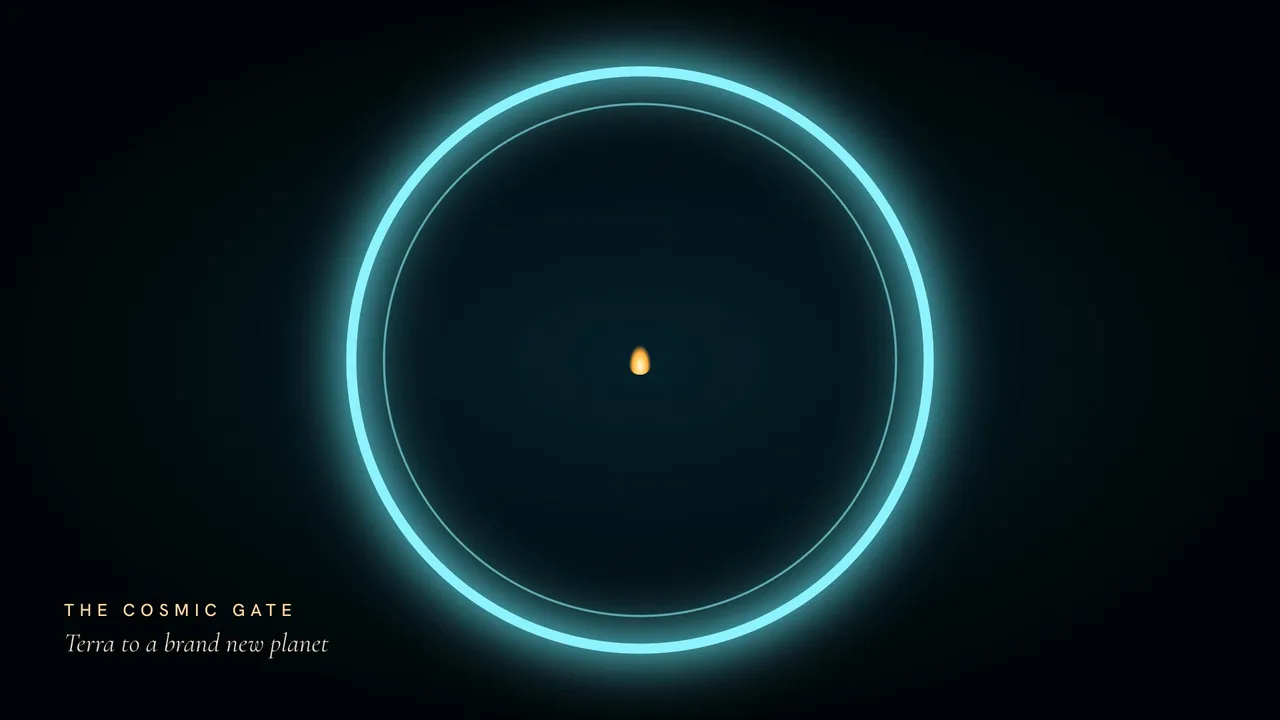
And the file ends with the slip: “that tiny spark of consciousness arrived on Talos-II, carrying all sorts of … well… odds and ends. Honestly, they packed far too much. They kept stuffing things into my … no, into its hands. After that … well, that’s another story.”
The narrator was the spark. The spark is Si. Sui spent his life dreaming of the stars, and the only piece of him that ever made it there is a little girl his children packed a suitcase for.
What Can Si Do? Little Sister to Twelve Gods
On Talos-II, Si grew up. Kind of. Argent Flow’s advice to new colleagues is to avoid the word “young”, because she insists: “I’m nearly as old as civilization itself on Talos-II. You’re all just kids to me.” (Her day-one story, including the painting she sent to her own job interview, is in our Si lore post.)
She isn’t just a piece of Sui. Arcane’s training log says she “inherited the Powers of the Feranmut ‘Sui’ and all twelve of its proxies only recently.”
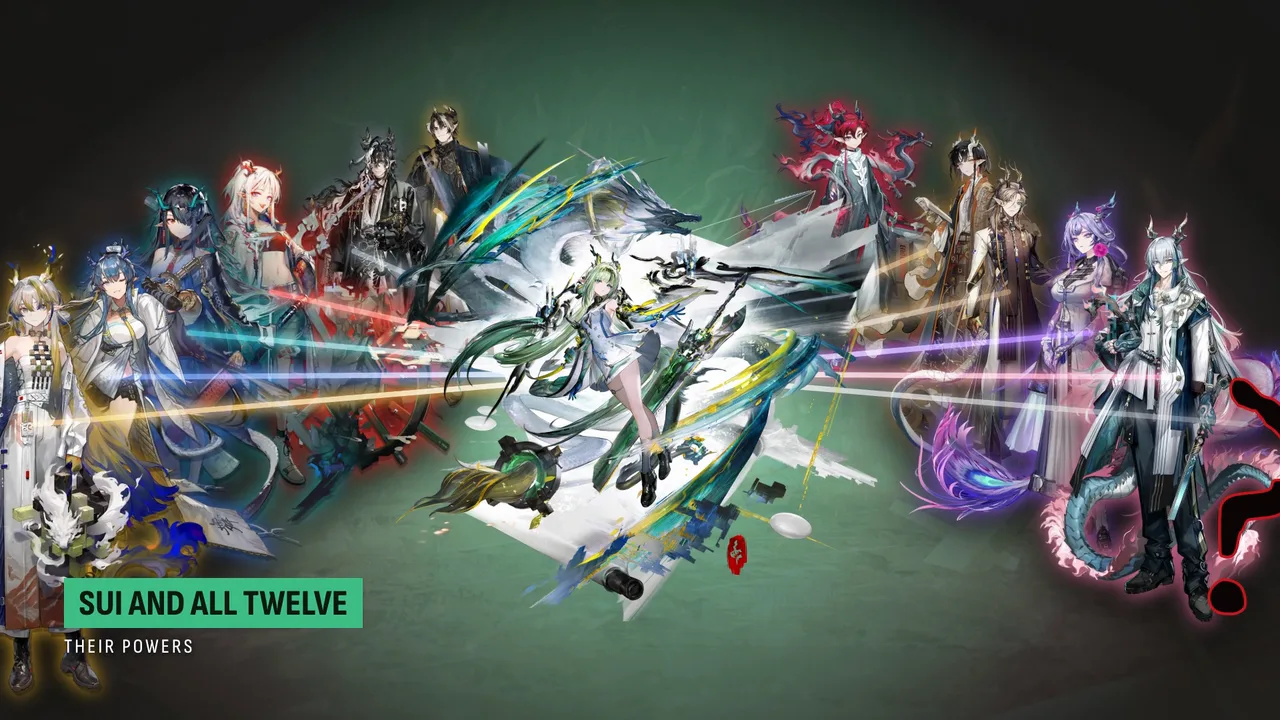
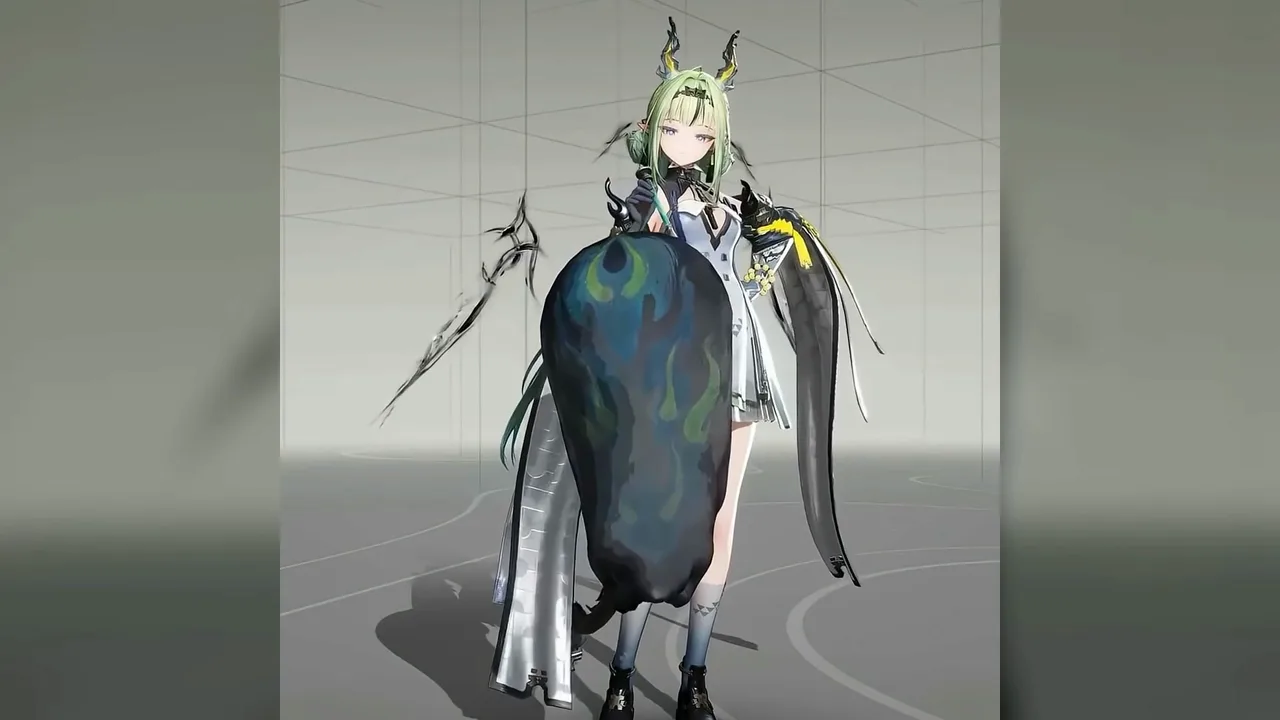
Her profile sums it up: “The fire smelts for divine craft, the brush strokes to create entire worlds… If she can think of it, she will have it. The process is not fool-proof, but don’t expose it in front of her.”
So what does she use it for? Her profile lists her as an Experimental Cosmetician: “A self-proclaimed title. In truth, no one dared to employ Si in such work… Si uses Ink Spirit face-painting to practice her skills of applying cosmetics.”
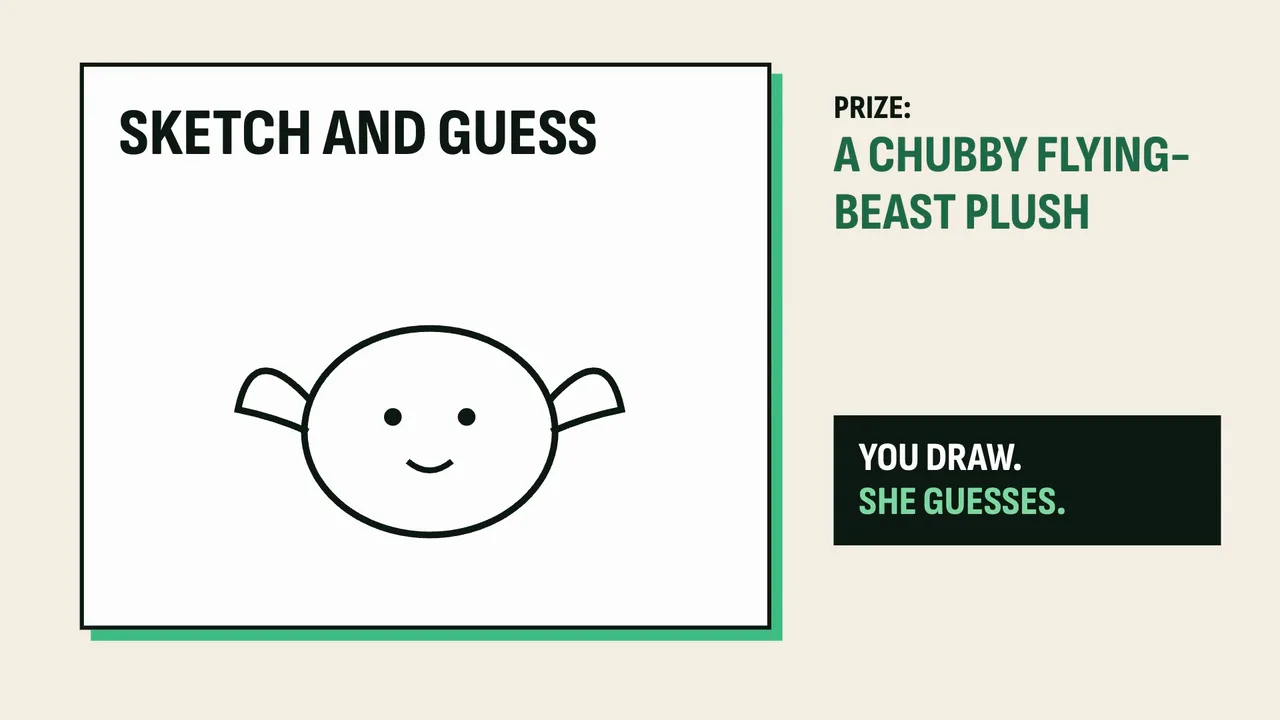
She also wants a plushie. Wuling’s Sketch and Guess game gives one away, and it can’t be played alone: “Of course you’re drawing and I’m guessing! Do I look like the sort who cheats in games?” This is the woman whose paintings get up and walk around.
She runs an inn inside one of her own paintings, on a mountain where the weather does what she wants. Endfield’s own chef keeps raiding it for ingredients, and her verdict is “Yuanyuan Manor’s basically an Endfield branch office now!” She asks the Endministrator for business advice, and when the advice arrives: “UGH. CAN’T YOU JUST SWING BY?!”
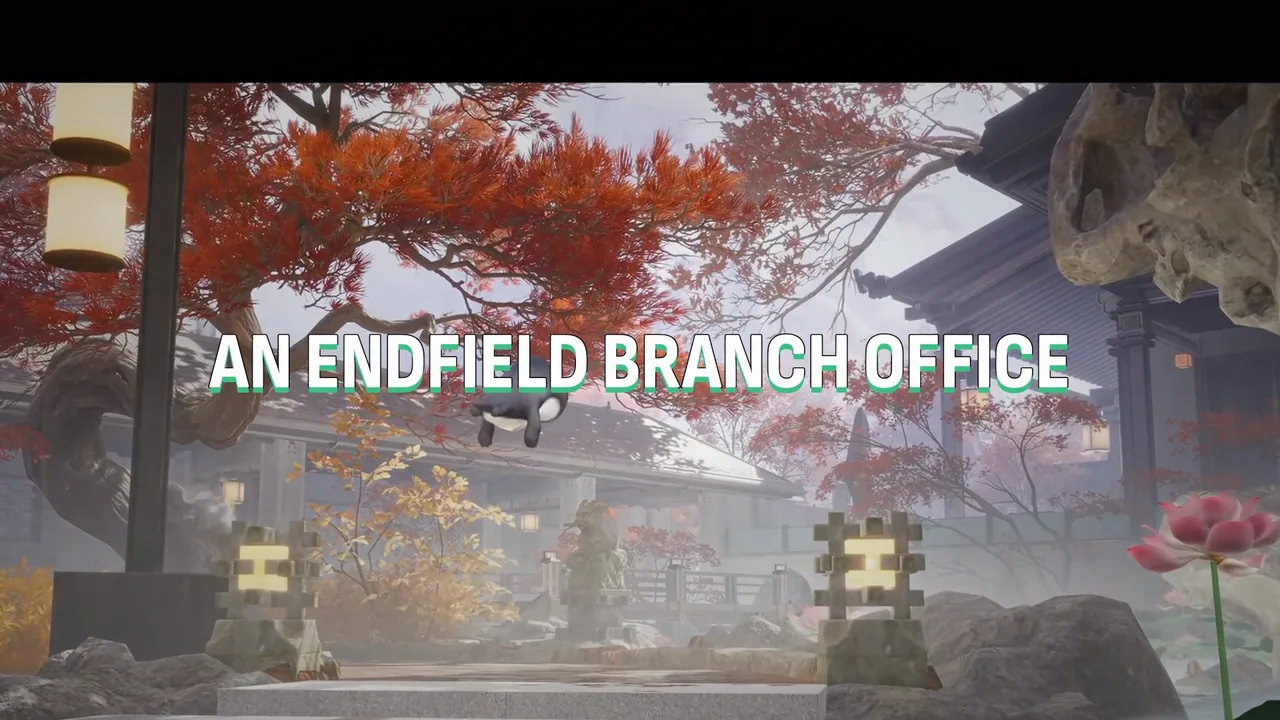
Her siblings didn’t hide her away. “During our free time, the three of us traveled around Talos-II … but soon they sent me off to Hongshan.” There she helped found the Yinglung task force, and when Hongshan wants a speech for the recruits, she brings the Endministrator along and turns to an ink spirit: “Ink Spirit, write down what the Endmin said. Every, single, word… This’ll come in handy.” The powers of thirteen gods, and she’s copying her speech off her boss.
At the top of her painted mountain, she kept a painting of Endfield’s flying ship the whole ten years the Endministrator slept. Her brother once told her Terra has twin moons. Maybe two moons? No: “two giant moons up there would mess with the whole lighting.” The ship stays. “Ten whole years. If it were suddenly gone, I don’t think I’d sleep very well.”
Does Si Miss Her Siblings?
Spend enough time with Si and she starts bringing them up:
“Well, you’ve gotten pretty good at Weiqi. But my brother’s still the best player on Talos-II. You’re nowhere near his leag… What? This is the third time I’ve brought up my siblings this month? I-I’m not saying I wish they were still around!”
The game never names that brother. In the first game, only one sibling is known as the greatest weiqi master in Yan.
She insists she doesn’t miss them. A little later, she’s yelling at an ink spirit:
“HEY! Job Rusher! Didn’t I tell you to clean properly? Especially the paintings, calligraphy, and the Weiqi boards. What if they come home and see this mess?”
In the first game, Yu set a table for the whole family and swore every seat would be full one day. On another planet, the youngest of them keeps a house clean, just in case.
As for Sui, she has made her peace: “I wouldn’t be around if they didn’t bring the last bits of his soul to Talos-II. But we’re different. There is nothing between us, one way or the other. The debt’s settled and it’s as clear as day.”
A god died asking who he was. The last piece of him woke up asking the same question. Si found her answer on Talos-II. When she gives you a painting:
“What I drew isn’t important. It’s my seal that matters! And don’t you ever forget my name again!”
What the files don’t say: which brother caught the spark, which two siblings travelled Talos-II with her, why Sui betrayed the Feranmuts, and how Endfield’s “his body was gone” fits with Wang living in that body in the first game. We will update this page if Endfield answers any of them.
Related Reading
- Si lore: the ancient god who skips paperwork: her day-one backstory from the operator files
- What is a Feranmut? Sui proxies explained: the terms this story assumes
- Best Si build and best Si teams
- Si’s character page
- Endfield lore hub: every operator backstory and our story videos
Take a Break
Available on desktop